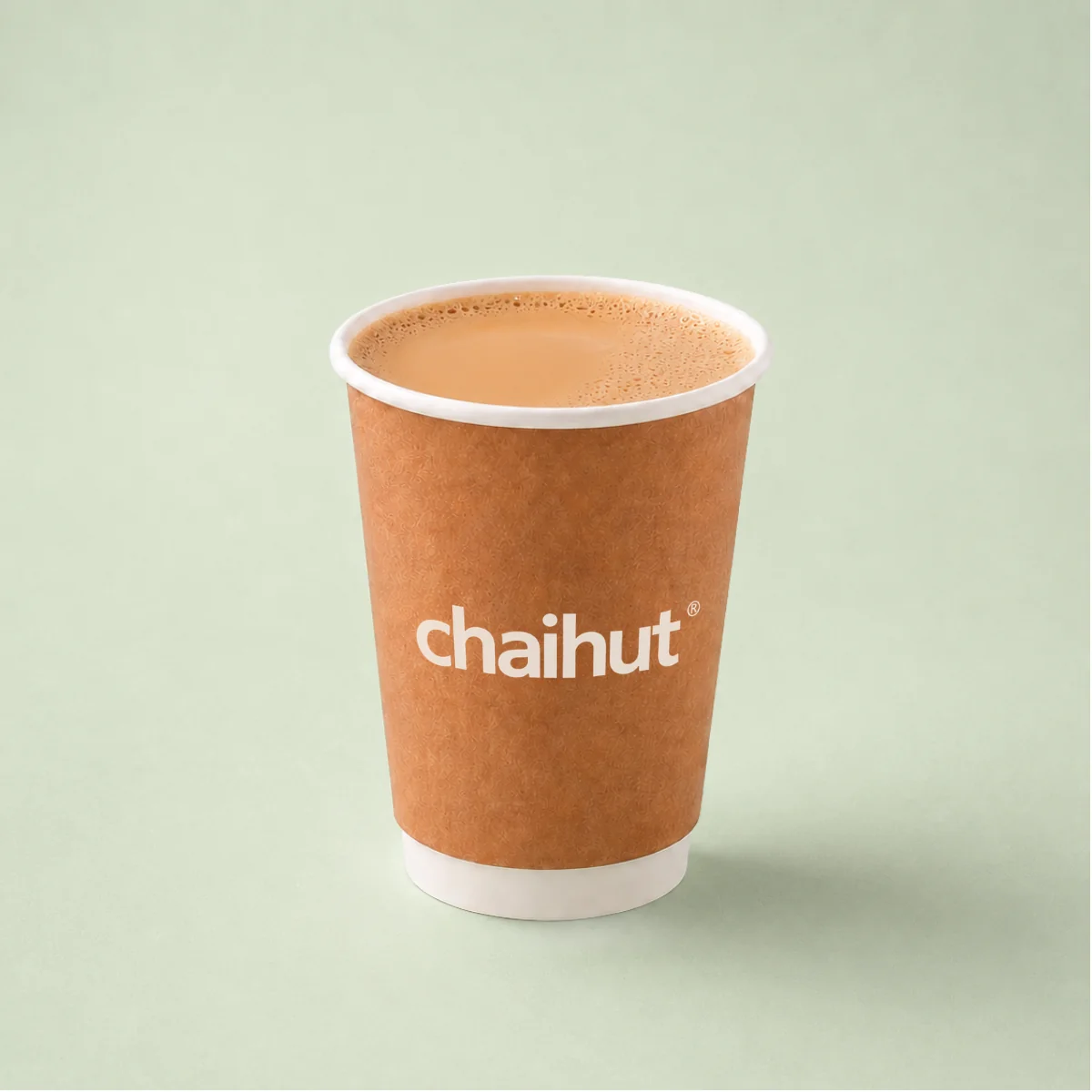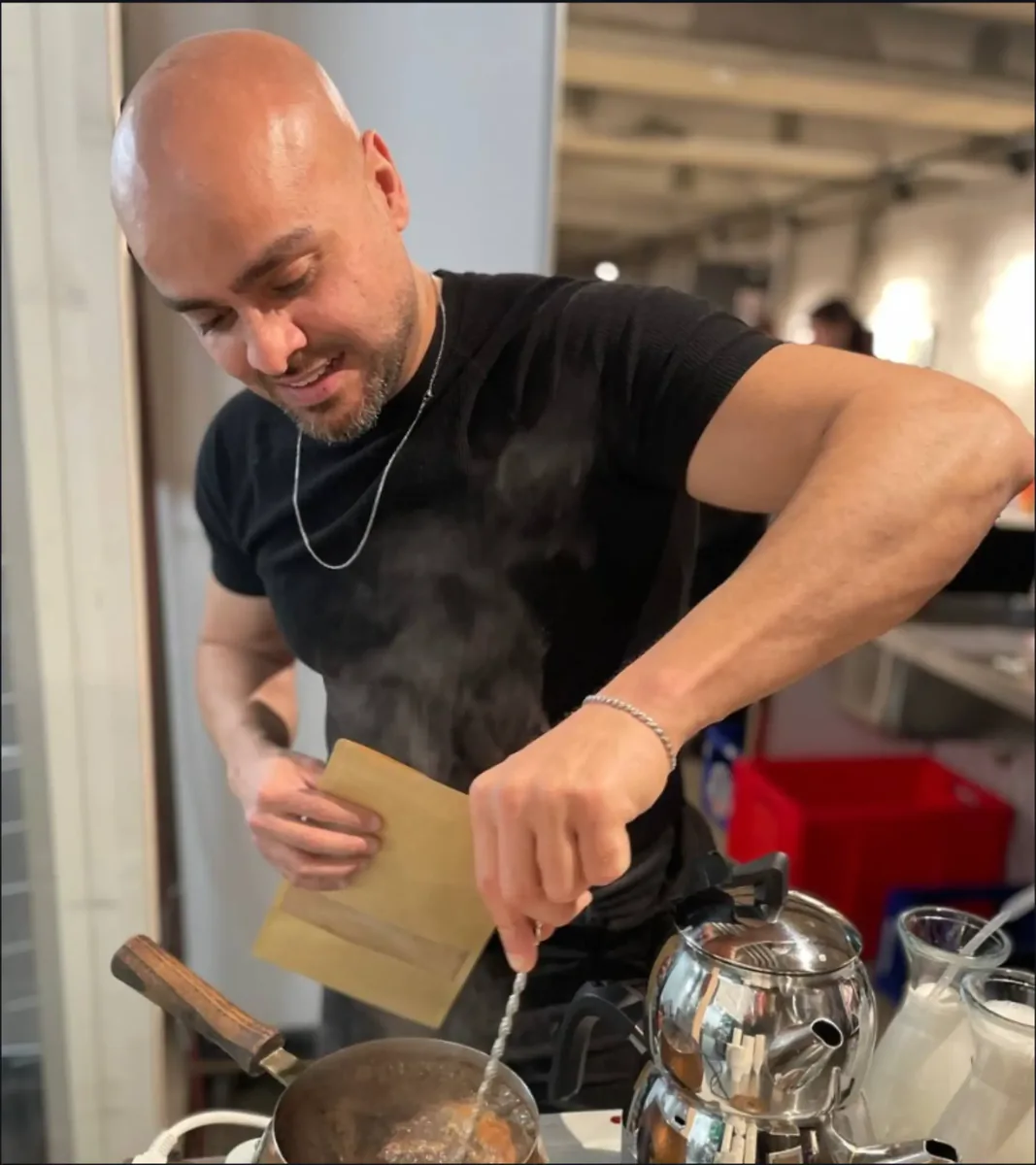

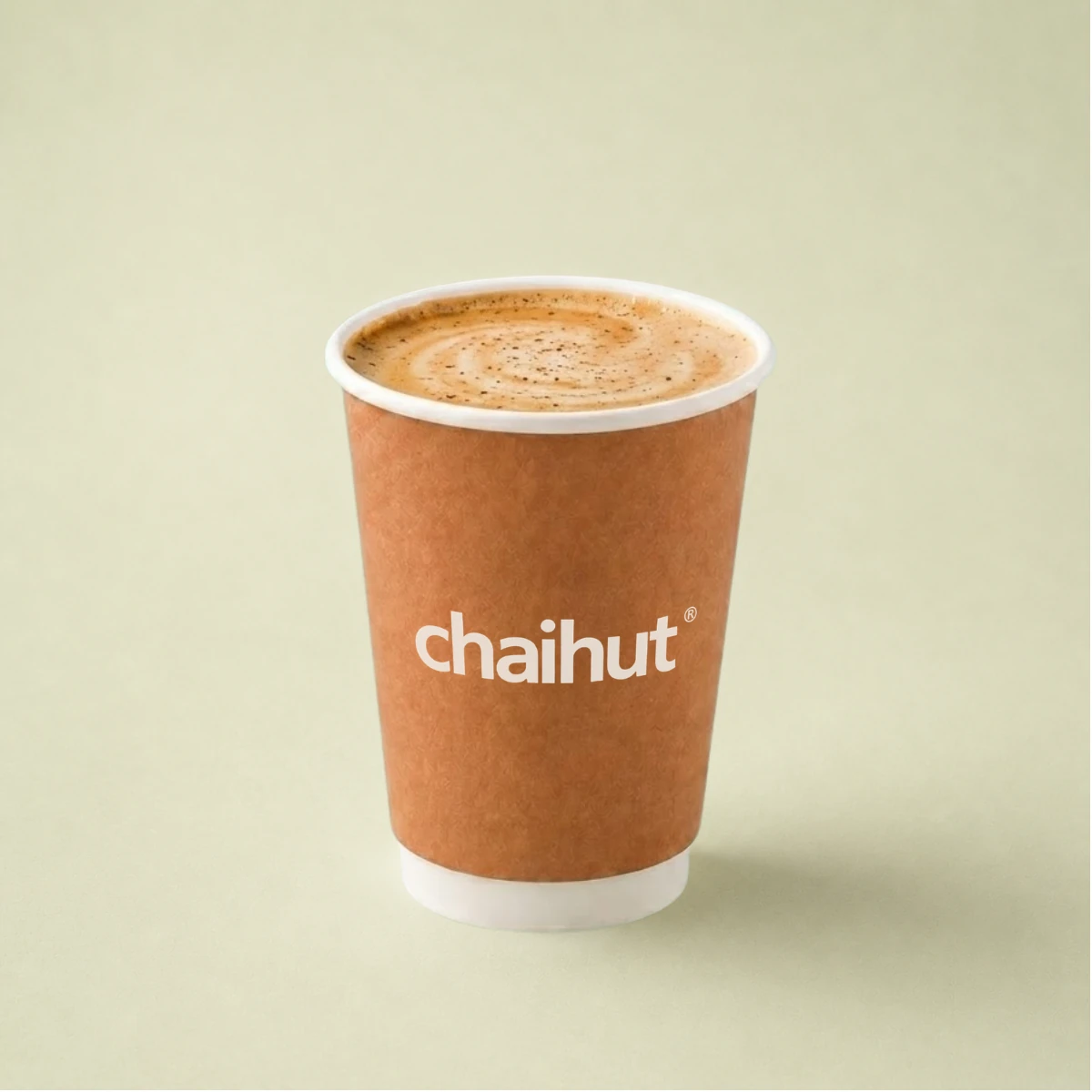
Two origins. Two very different cacaos.
We selected two single-origin drinking cacaos for Chaihut, both carefully sourced and prepared.
71% · Ecuador
Our Ecuador cacao comes from Hacienda Victoria in Cerecita, Guayas, in western Ecuador. Its Arriba Nacional cacao is known for its distinctive character.
The flavour is gentle, deeply chocolatey and nutty, with delicate fruity notes. The 71% refers to cacao and cacao butter. Beet sugar from the Netherlands softens the taste without hiding the bean's identity.
100% · Guatemala
Our second cacao comes from Guatemala and is served without added sugar. Its origin is Kampura in Izabal, northeastern Guatemala, where cacao grows in a diverse agroforestry system.
Its character is bold, with spicy, woody and fruity notes. Like coffee or wine, soil, climate, cultivation and processing shape the final flavour.
What is naturally inside cacao?
Cacao beans naturally contain fats, minerals and plant compounds. The amount in any prepared drink depends on the recipe, processing and portion size.
Cacao butter gives cacao its creamy mouthfeel. Polyphenols and flavanols are plant compounds studied by researchers. A specific EU-authorised claim for cacao flavanols applies only under defined conditions. We make no such claim for a Chaihut serving without measured amounts.
Theobromine and a smaller amount of caffeine are naturally occurring methylxanthines. Cacao also contains magnesium, iron, fibre and tryptophan, although the quantities in a cup vary.
We do not want to present cacao as a miracle superfood. We value its distinctive flavour and remarkable natural complexity.
A fruit with a long history
Cacao's history in Central and South America goes back far beyond the modern chocolate bar. Archaeological finds in present-day Ecuador show cacao was used around 5,300 years ago.
Later, Maya and other Indigenous communities in Mesoamerica prepared cacao drinks, sometimes combining cacao with maize or spices. Cacao also held social and ceremonial importance, while beans were used for trade and tribute.
Long before it became a European confection, cacao was a drink that brought people together. We like that thought.
Cacao at Chaihut
71% Ecuador: gentle · chocolatey · nutty · softly fruity
100% Guatemala: bold · spicy · woody · fruity
Enjoy either cacao on its own or as the base of one of our cacao creations, depending on the current menu.
Two origins. Two personalities. A little ritual to enjoy.